Invited Speakers
PACLIC 40 · The 40th Pacific Asia Conference on Language, Information and Computation
December 10–12, 2026 · Taipei, Taiwan
← Back to Main Site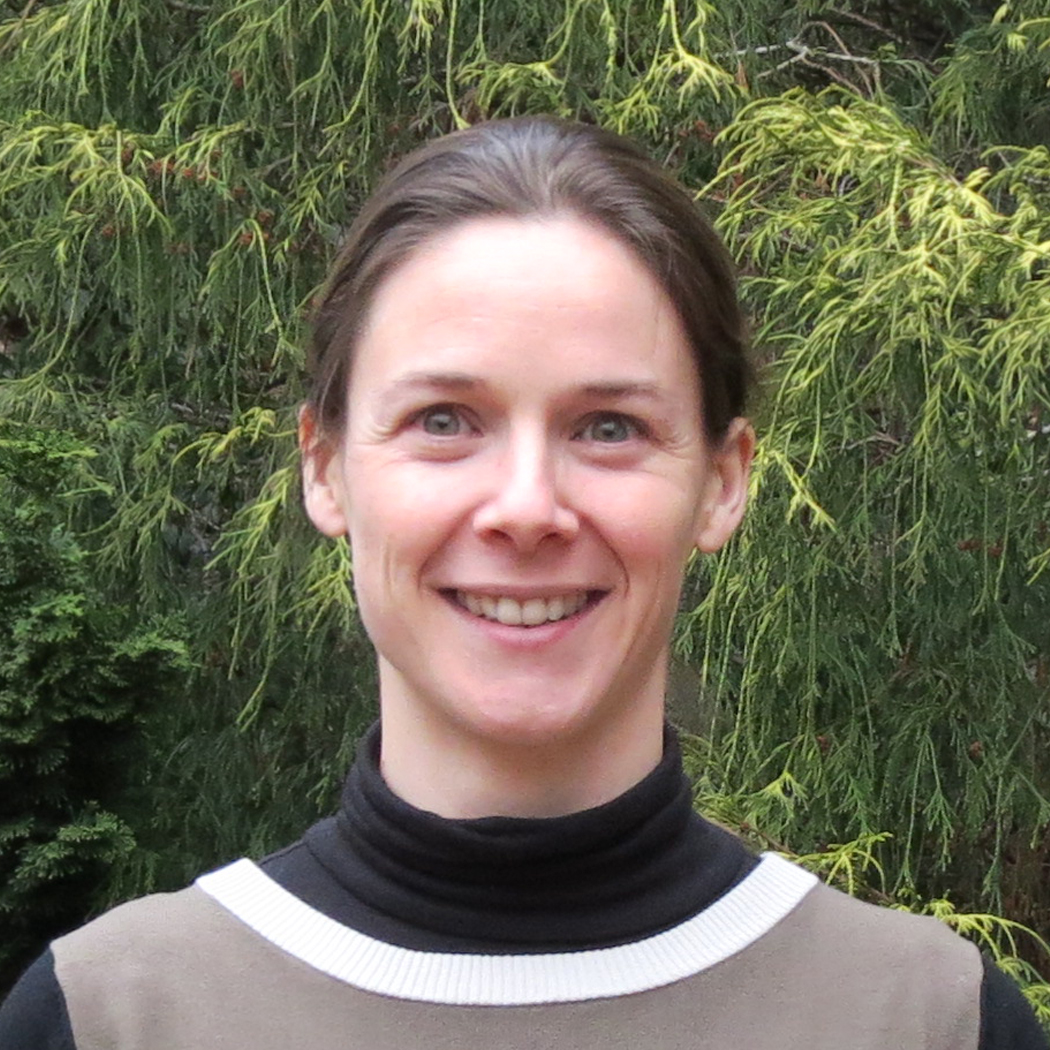
Marie-Catherine de Marneffe is an FNRS Research Associate at CENTAL, UCLouvain. Her research focuses on semantics, pragmatics, and computational linguistics, with particular emphasis on inference, speaker commitment, and natural language understanding, bridging linguistic theory and NLP.
She received her PhD in Linguistics from Stanford University under the supervision of Christopher D. Manning, Dan Jurafsky, and Christopher Potts. Prior to joining UCLouvain in 2022, she was Assistant and later Associate Professor in Linguistics at The Ohio State University, where she was part of the Computational Linguistics and Language Technology Lab.
Marie-Catherine de Marneffe is a core contributor to major linguistic resources such as Universal Dependencies and Stanford Dependencies. Her work has been recognized with major awards and funding, including an NSF CAREER Award and an FNRS MIS grant. She has also received a Best Short Paper Award at ACL. She is actively involved in the international research community, serving as NAACL 2022 Program Chair and as a working group leader in COST Action CA21167.
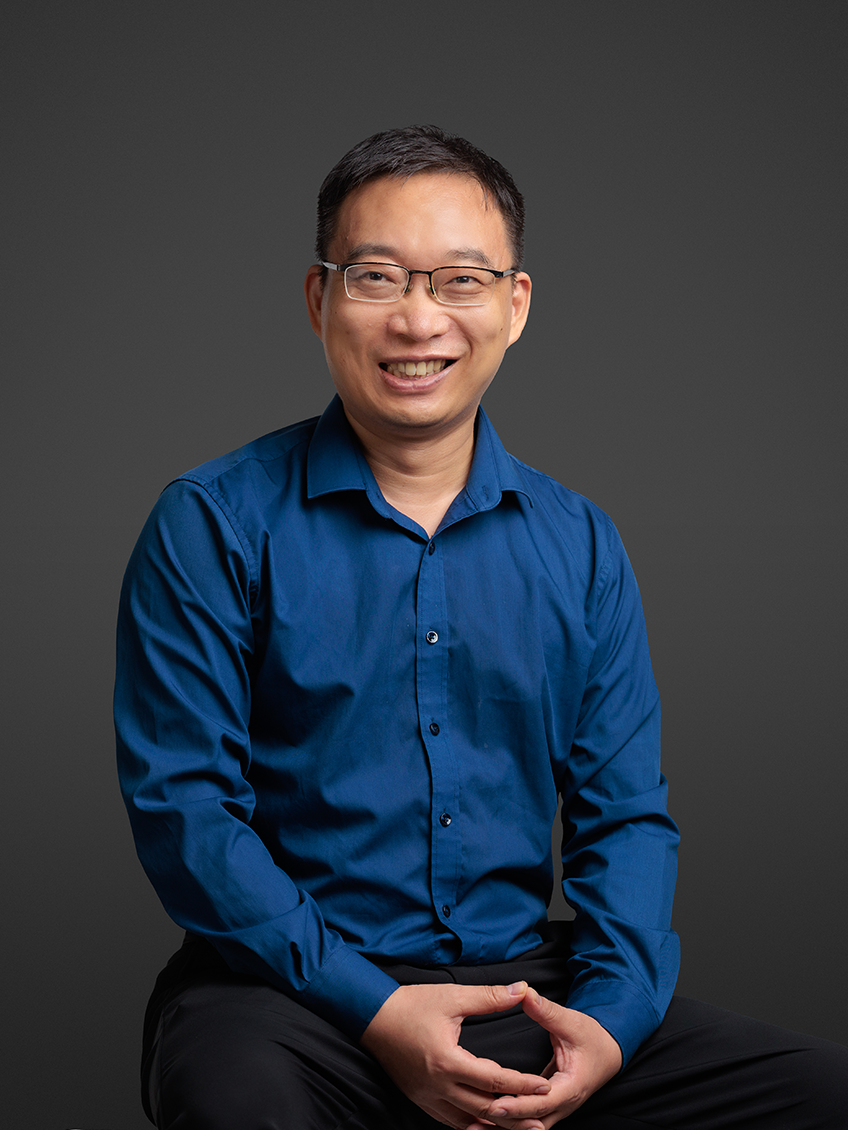
Wei Lu is a Professor at the College of Computing & Data Science, Nanyang Technological University. His research focuses on natural language processing (NLP), large language models (LLMs), and fundamental problems in artificial intelligence.
He currently serves as Editor-in-Chief of Computational Linguistics and as a member of the Executive Committee of the Association for Computational Linguistics (ACL). His work has been recognized with major awards, including the Best Paper Award at EMNLP 2011 and the Outstanding Paper Award at EMNLP 2023.
Prior to joining NTU, he spent 12 years at the Singapore University of Technology and Design (SUTD), where he was Professor and Associate Head (Research). He has also held research positions at the University of Illinois at Urbana-Champaign and as a visiting scholar at MIT.
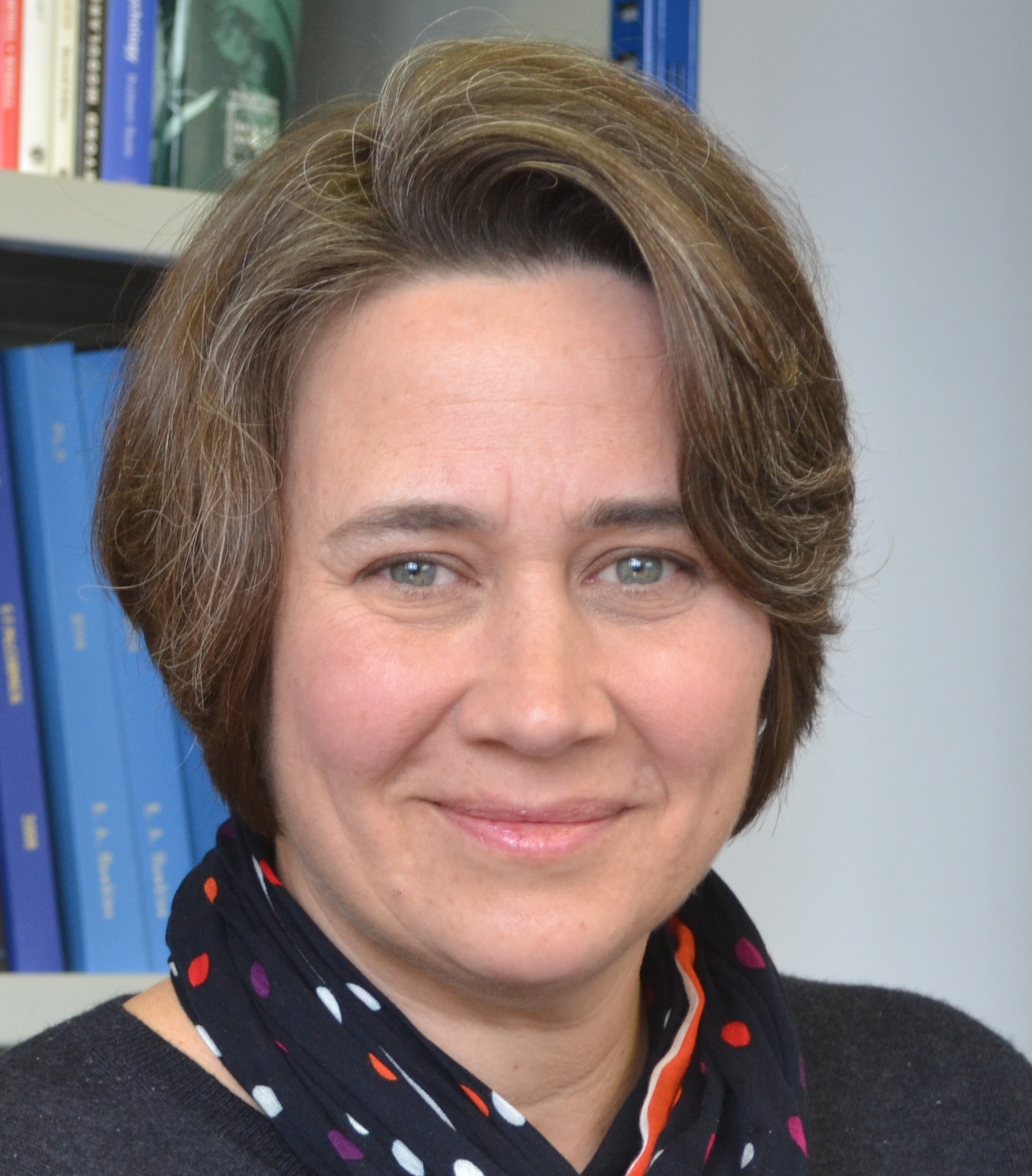
Kathleen Rastle is a Professor of Cognitive Psychology at Royal Holloway, University of London. Her research focuses on the mental representations and computational processes underlying language, literacy, and learning, particularly in reading acquisition and word recognition.
Her work has been widely recognized for both theoretical contributions to psycholinguistics and its impact on educational policy and literacy instruction. She has received major funding from organizations including the ESRC, BBSRC, and the Leverhulme Trust, and was awarded the ESRC Celebrating Impact Prize for Outstanding International Impact (2020).
She has held key leadership roles, including President of the Experimental Psychology Society (2022–2024) and Editor-in-Chief of the Journal of Memory and Language (2019–2023). She is currently Director of the ESRC South East Doctoral Training Arc (SEDarc).
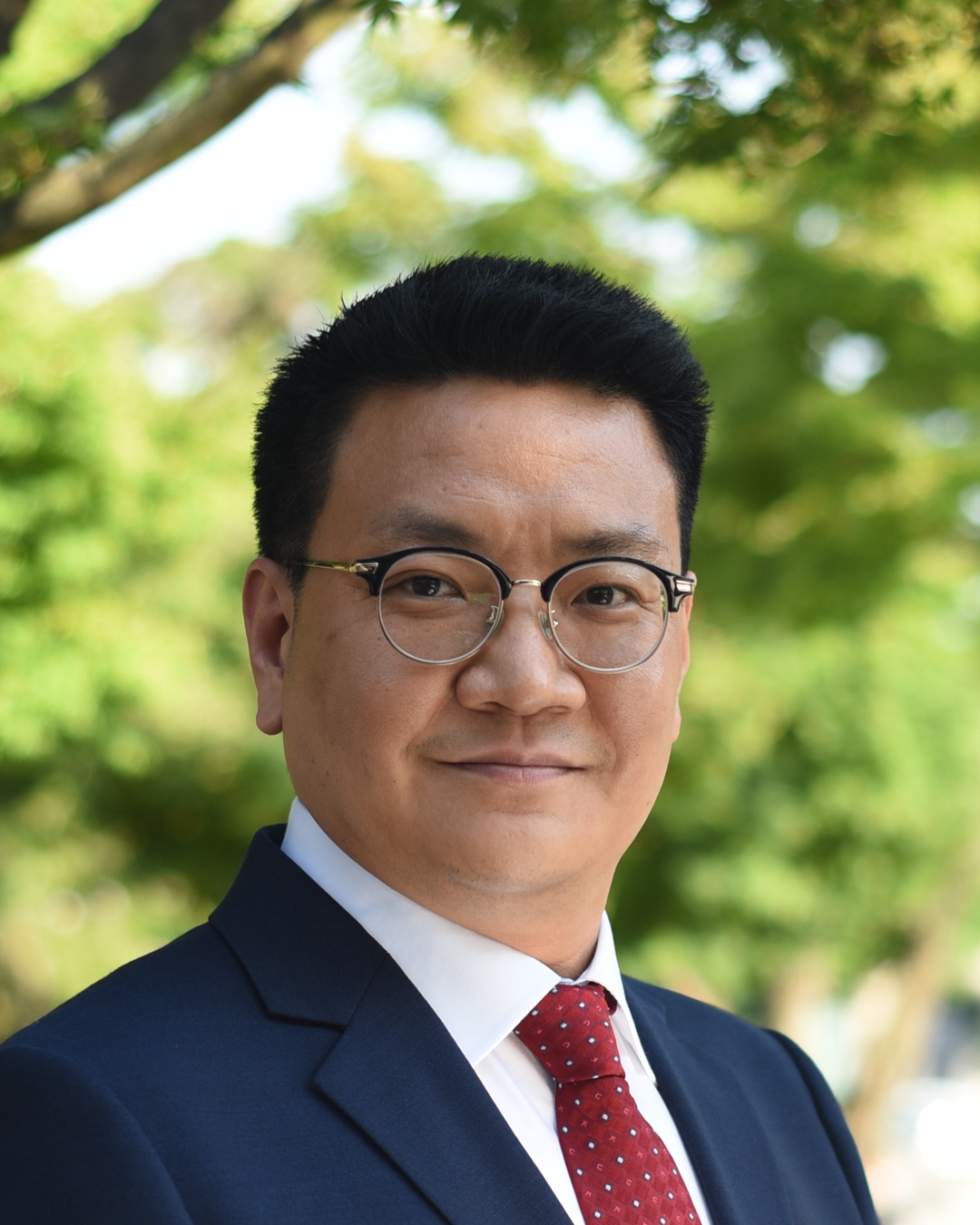
Sanghoun Song is a Professor in the Department of Linguistics at Korea University and Director of the Research Institute for Language and Information. His research focuses on computational syntax and semantics, combining HPSG, corpus-based methods, and deep learning, with applications in domain-specific NLP and large language model evaluation.
He received his PhD in Linguistics from the University of Washington under the supervision of Emily M. Bender, where he was awarded the Top Scholar Award and Graduate School Dissertation Fellowship. He is the author of Modeling Information Structure in a Cross-Linguistic Perspective (Language Science Press, 2017), which develops an HPSG/MRS-based computational model for cross-linguistic information structure.
He previously served as Associate Dean of the College of Liberal Arts and Director of the Center for Digital Humanities at Korea University. He leads the Computational Semantics Lab (SongLab), advancing research at the intersection of linguistic theory and data-driven approaches.